Tips for Finding the Perfect General Contractor for Your Next Home Undertaking
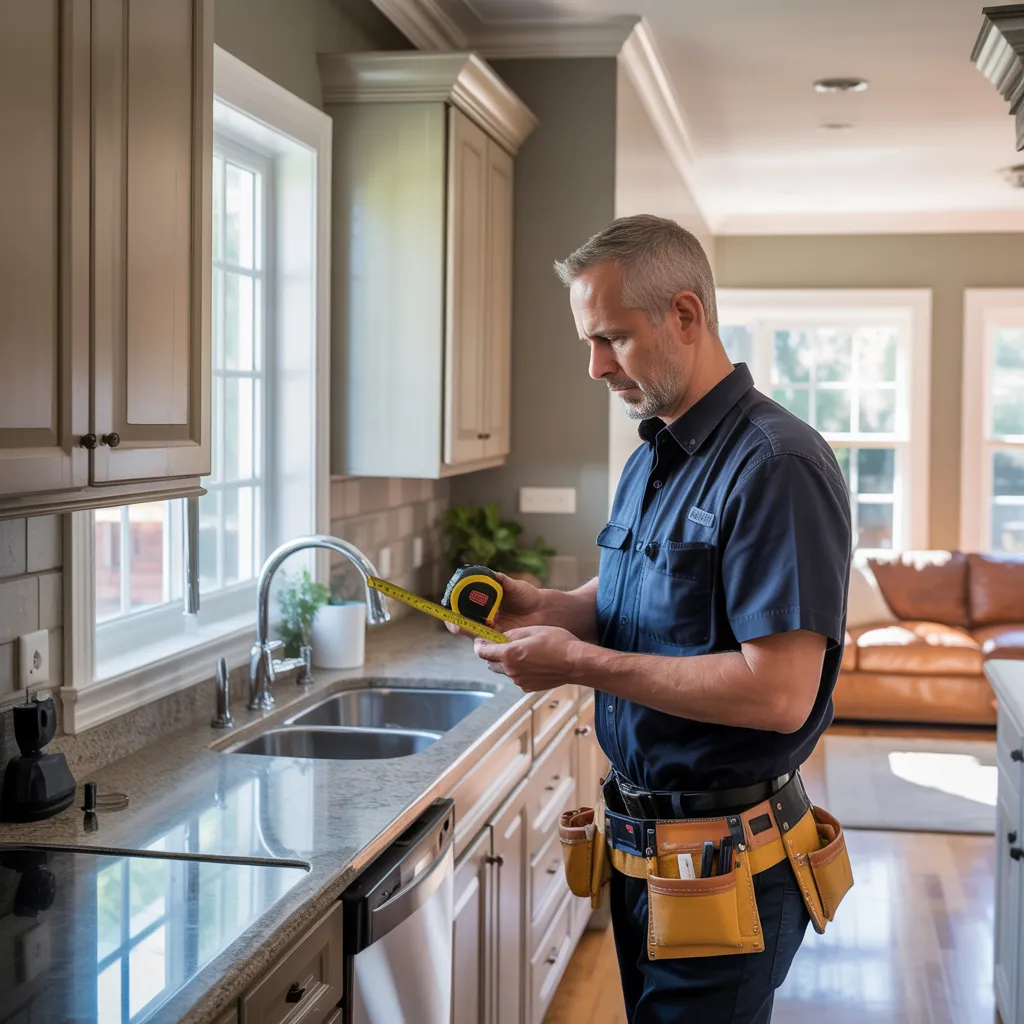
Picking a suitable construction expert for your home undertaking is an vital decision. It requires careful analysis of various considerations, including track record, certifications, and interpersonal skills. Several homeowners disregard critical elements, causing expensive errors. Grasping how to examine prospective contractors can produce a notable influence. By emphasizing vital standards and requesting the proper questions, you can work through this challenging endeavor more skillfully. What are the important measures to confirm a fruitful partnership?
Guidance to Steer clear of Common Mistakes When Selecting a Builder
When finding a general contractor, how should one navigate the large set of alternatives without making frequent mistakes? Prospective clients often overlook vital aspects that can result in poor results. First, depending just on price can be confusing; the lowest bid may mean inferior quality or extra fees. Additionally, overlooking testimonials or internet feedback can result in employing a contractor with negative reviews. It is also essential to not decide only on personality; a friendly contractor may not demonstrate the needed qualifications or consistency. Moreover, ignoring explicit dialogue and goals can lead to errors and displeasure. Finally, skipping detailed contract review before signing can result in unexpected obligations or lack of protection. By being vigilant and informed, homeowners can make stronger determinations, ultimately ensuring a positive endeavor.
Essential Points to Examine in a Contractor's Experience
When reviewing a contractor's experience, multiple important elements prove important. Applicable work history, professional credentials, and an extensive portfolio of completed work represent essential markers of their capabilities. Analyzing these elements can provide valuable insights into the contractor's appropriateness for the particular job at hand.
Pertinent Work Background
Grasping a contractor's relevant project experience is crucial for ensuring the success of any construction endeavor. Prospective clients should evaluate the contractor's body of work, focusing on finished work comparable in size and design to their own. This entails reviewing the quality of workmanship, compliance with schedules, and budget management in previous undertakings. Additionally, it is beneficial to inquire about the types of materials used and the contractor's familiarity with area construction regulations and regulations. Reviews and recommendations from past clients can provide insights into the contractor's dependability and ability to communicate. Ultimately, a contractor with considerable applicable expertise can navigate challenges effectively, ensuring the project meets the homeowner's requirements and benchmarks.
Professional Qualifications And Licenses
Certification and licensing function as essential indicators of a contractor's expertise and skills in the construction industry. When selecting a general contractor, it is vital to ensure they have the necessary licenses mandated by local and state regulations. Such licenses demonstrate compliance with building codes and safety standards. Furthermore, industry certifications, like those from the National Association of Home Builders or other similar organizations, signify a contractor's dedication to quality and continuous education. Specialists with particular certifications may also possess expertise in specific fields, such as green building or remodeling. Verifying that a contractor holds the proper credentials not only increases confidence in their capabilities but also minimizes potential legal and financial risks during the project.
Portfolio Of Done Work
A professional's portfolio of completed work serves as an vital tool for assessing their background and qualifications. This compilation should highlight a range of assignments, demonstrating versatility in different styles and complexities. When analyzing a portfolio, interested parties should identify professional photos that clearly show the workmanship involved. It is also beneficial to see projects that match the homeowner's specific needs or style choices. Careful consideration, innovative solutions, and adherence to timelines are major evidence of a contractor’s expertise. Additionally, customer reviews or success stories included in the portfolio can provide greater understanding into the contractor's work ethic and trustworthiness. Ultimately, a solid portfolio can help homeowners select carefully about their upcoming projects.
Ways to validate Your Contractor's Credentials and Licenses
Before contracting a general contractor, it is important to check their qualifications and certifications to verify they adhere to professional norms. Commence by reaching out to state licensing agencies to verify that the contractor maintains the required licenses for your territory and work scope. Each state sets its own criteria, so becoming aware of them can circumvent upcoming problems.
Furthermore, ask regarding insurance coverage, such as liability and workers' compensation, to guarantee protection against potential accidents or damages. Request references from previous clients and follow up to assess satisfaction and reliability.
Lastly, check any qualifications the contractor may hold, as these often reveal specialized training and commitment to industry best practices. A thorough verification process not only guarantees compliance but also creates assurance in the contractor's ability to execute the project successfully.
Why Regular Communication Is Crucial in Your Contractor Professional Relationship
Essential communication plays a pivotal role in the relationship between contractors and clients, determining the project's success from the beginning. Clear communication sets expectations, timelines, and budgets, ensuring both parties are in agreement on the project's goals. When clients articulate their vision effectively, contractors can provide knowledgeable recommendations and solutions, enhancing the overall outcome.
Frequent check-ins and open lines of communication facilitate quick resolution of issues as they occur, minimizing potential delays. Additionally, a essential information contractor who listens and acknowledges client feedback nurtures trust, which is indispensable for collaboration.
Additionally, effective communication helps in handling changes and unexpected challenges, keeping the project on track. It enables the contractor to modify approaches based on client input, guaranteeing satisfaction throughout the process. Ultimately, emphasizing communication not only reinforces the contractor-client relationship but also significantly adds to the successful completion of the home project.
Critical Questions to Discuss with Your Construction Professional During Opening Meetings
When first meeting with a contractor, clients should make it a priority on understanding their experience and qualifications. It's critical to examine the project timeline and budget to confirm alignment with the client's expectations. These questions set a groundwork for a successful partnership and effective project management.
Experience and Qualifications
Choosing a contractor comes down to understanding their experience and expertise. Homeowners must inquire about the contractor's time in the industry and the variety of projects executed. Asking particular inquiries about licenses, required certifications, and insurance policies is important, as these guarantee following local laws and ensure safety during the project. Additionally, reviewing past work through previous work samples or recommendations can provide insight into the contractor's skill and trustworthiness. It is also beneficial to explore their experience in similar projects, since this can reveal their capability to handle particular challenges. In conclusion, evaluating a contractor's background and skills builds confidence and helps homeowners make informed decisions about their home projects.
Project Plan and Financial Allocation
How might property owners confirm their project remains on schedule budgetwise and timeline-wise when working with a general contractor? To maintain alignment, they should ask key questions during initial meetings. Homeowners must inquire about the estimated timeline for project completion and any potential delays that could arise. Understanding the contractor's approach to managing schedules is essential. Also, discussing the budget upfront is important; homeowners should seek clarity on cost estimates, payment schedules, and any built-in reserves for unforeseen expenses. Inquiring into previous projects can provide insight into the contractor's dependability in meeting deadlines and staying within budget. By establishing clear communication regarding timelines and finances, homeowners can establish a strong partnership with their contractor, improving the likelihood of a successful project.
Tips for Checking References and Reading Reviews
What steps should one take to verify a general contractor is reliable? First, it is critical to request a list of testimonials from qualified contractors. A renowned contractor will unhesitatingly provide names and contact information of previous clients. One should call these references to inquire about their experiences, focusing on elements such as communication, quality of work, and adherence to timelines.
Additionally, perusing online reviews on sites like Google, Yelp, or Angie's List can provide valuable insights. It is crucial to look for patterns in the reviews—recurring compliments or criticism can suggest reliability or possible problems.
Furthermore, reviewing any grievances filed with local licensing boards or consumer protection agencies can reveal a contractor's background. Finally, asking for recent photographs of completed work can help assess the quality of their craftsmanship. By taking these measures, one can make a more informed decision when choosing a general contractor.
Understanding Service Provider Pricing and Billing Conditions
Property owners ought to familiarize themselves with customary payment terms. Most contractors insist on a deposit beforehand, accompanied by progress payments contingent on project milestones. It's essential to settle these terms before approving a contract to prevent misunderstandings. Also, homeowners should verify potential surplus costs, such as permits or unforeseen maintenance. Transparent communication regarding fee structure and payment terms will help cultivate a candid working relationship, thereby creating a thriving project outcome. Absorbing these elements enables homeowners to opt wisely when hiring a general contractor.
Common Requested FAQs
What Schedule Should We Expect for Project Completion?
The project timeline typically varies based on complexity and scope. Typically, it could require multiple weeks or months. Elements including weather, material availability, and workforce availability can greatly influence the project completion schedule.
What Transpires if Unexpected Issues Emerge During Project Work?
If unexpected issues occur during building, the contractor usually evaluates the situation, communicates with the homeowner, and proposes remedies. Adjustments to the schedule and costs might be necessary, ensuring openness throughout the process.
Do I Need Permits or Inspections for My Project?
Most projects require inspection and permit approvals to guarantee compliance with local construction standards. It is essential to work with a general contractor who understands these requirements, as they can handle the permitting process effectively.
How Do You Supervise Subcontractors and Their Financial Disbursements?
A distinguished general contractor controls subcontractors by instituting clear contracts delineating payment terms. They confirm consistent payments, maintain transparent interaction, and scrutinize subcontractor operational results, building a cooperative framework that bolsters project outcomes and performance.
What Policy Do You Have Regarding Project Updates or System Enhancements?
The contractor implements a versatile method to project changes, necessitating formal documentation for any enhancements. They guarantee transparent communication, determine budgetary consequences, and adjust deadlines accordingly to meet the client's evolving needs and preferences.